


Where to plug monitor into gaming pc
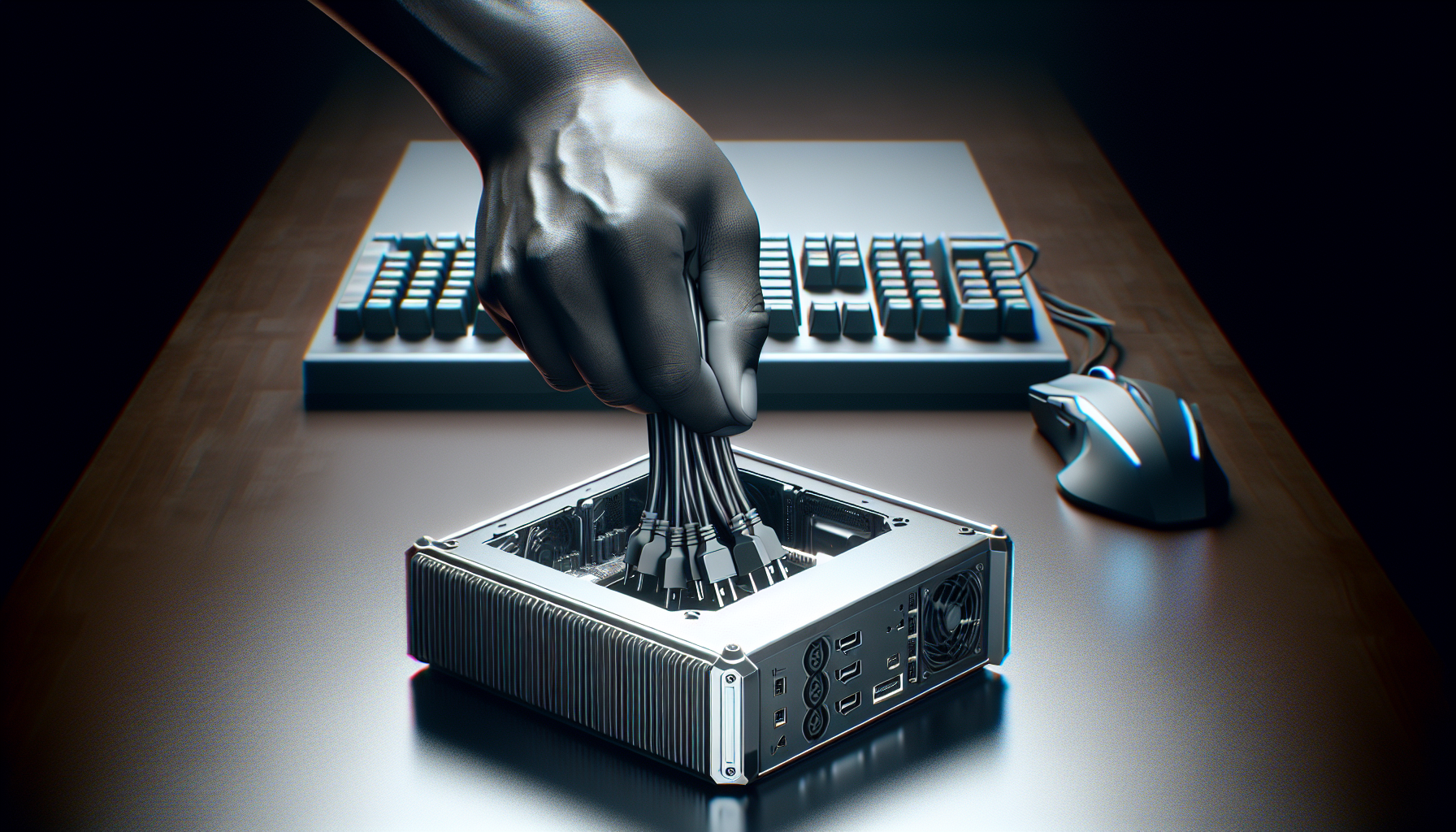
Setting Up Your Gaming PC
Setting up your gaming PC correctly is essential for an optimal gaming experience. Knowing the ins and outs of your equipment helps you make informed decisions and ensures that your system runs smoothly.
Understanding Your Gaming PC
A gaming PC is a powerful machine designed to handle resource-intensive games and applications. It comprises several key components, each contributing to its performance. These components include the CPU, GPU, RAM, storage, and power supply. Understanding how these parts work together allows one to maximize their gaming experience.
| Component | Function |
|---|---|
| CPU (Central Processing Unit) | Executes instructions, processes data |
| GPU (Graphics Processing Unit) | Renders images, videos, and animations |
| RAM (Random Access Memory) | Temporarily stores data for quick access |
| Storage (HDD/SSD) | Stores games, applications, and files |
| Power Supply Unit (PSU) | Provides power to the PC |
For more detailed information on each component, visit our article on gaming pc components.
Importance of Proper Setup
Proper setup of a gaming PC is crucial for several reasons. Firstly, it ensures that all components are correctly connected and functioning. Secondly, it optimizes performance, preventing lag and system crashes. Thirdly, it enhances the longevity of the components by preventing overheating and electrical issues.
Proper setup includes:
- Correctly installing and securing components
- Ensuring adequate airflow and cooling
- Properly connecting peripherals like monitors, keyboards, and mice
- Setting up software and drivers
For those building their own system, check out our guide on build a gaming pc. For those purchasing prebuilt systems, our article on buy gaming pc offers valuable insights.
By understanding the importance of a correct setup, gamers can ensure their system is ready for any gaming challenge they face. For further tips on optimizing your setup, visit our article on set up gaming pc.
Connecting Your Monitor
Connecting your monitor to your gaming PC is a crucial step in setting up your gaming rig. Understanding the various ports and types of connections available will ensure you get the best performance and visual quality.
Ports on Your Gaming PC
Gaming PCs typically come equipped with several types of video output ports. The most common ports you will encounter include:
- HDMI (High-Definition Multimedia Interface): Widely used for its ability to carry both audio and video signals.
- DisplayPort: Known for supporting higher resolutions and refresh rates, making it popular among gamers.
- DVI (Digital Visual Interface): An older standard still found on many monitors.
- VGA (Video Graphics Array): Analog connection, mostly found on older monitors and PCs.
Below is a table summarising the common ports and their characteristics:
| Port Type | Max Resolution | Max Refresh Rate | Audio Support |
|---|---|---|---|
| HDMI 2.0 | 4K | 60Hz | Yes |
| DisplayPort 1.4 | 8K | 120Hz | Yes |
| DVI-D | 2560x1600 | 60Hz | No |
| VGA | 1920x1080 | 60Hz | No |
For the best gaming experience, it's recommended to use HDMI or DisplayPort.
Types of Monitor Connections
Monitors also come with a variety of input ports, and matching these with the output ports on your gaming PC is essential. The types of monitor connections you might find include:
- HDMI: Commonly used in modern monitors, providing high-definition video and audio.
- DisplayPort: Preferred for high-performance gaming due to its support for higher resolutions and refresh rates.
- DVI: Offers good video quality, though it lacks audio support.
- VGA: An older connection type, not ideal for high-definition or gaming purposes.
When choosing a connection type, consider the capabilities of both your gaming PC and monitor. For more information on setting up your gaming rig, refer to our guide on set up gaming pc.
By ensuring compatibility between your gaming PC's output ports and your monitor's input ports, you can optimise your gaming experience. For further guidance on enhancing your setup, check out our articles on optimise pc for gaming and gaming pc components.
Where to Plug Your Monitor
Locating the Video Output Ports
Finding the right place to plug your monitor into your gaming PC is essential for an optimal gaming experience. Modern gaming PCs offer a variety of video output ports, each serving different purposes and display capabilities.
The most common video output ports on a gaming PC include:
| Port Type | Description |
|---|---|
| HDMI | High Definition Multimedia Interface, supports both video and audio. |
| DisplayPort | Designed for high-performance gaming, supports higher resolutions and refresh rates. |
| DVI | Digital Visual Interface, generally used for older monitors. |
| VGA | Video Graphics Array, an older standard primarily used for analog signals. |
Each of these ports can usually be found on the back of the graphics card or the motherboard, depending on your PC setup.
If your gaming PC has a dedicated graphics card, always connect your monitor to the video output ports on the graphics card and not the motherboard. This ensures you are utilizing the full power of your graphics card for an enhanced gaming performance. For more information on setting up your gaming PC, refer to our article on set up gaming pc.
Connecting the Monitor to the PC
Once you have located the video output ports, the next step is connecting your monitor to your gaming PC:
Identify the Port Type: Determine the type of port on both your monitor and your gaming PC. Most modern gaming monitors and PCs support HDMI and DisplayPort connections.
Choose the Appropriate Cable: Select the cable that matches the port type. If your monitor and PC both have HDMI ports, use an HDMI cable. Similarly, use a DisplayPort cable if both devices support DisplayPort.
Connect the Cable: Plug one end of the cable into the corresponding port on your gaming PC and the other end into the port on your monitor.
Secure the Connection: Ensure that the cable is securely connected at both ends to prevent any display issues.
Power On: Turn on your monitor and then power on your gaming PC. Your PC should automatically detect the monitor and display the output.
By following these steps, you can successfully connect your monitor to your gaming PC, ensuring a seamless and immersive gaming experience. For additional tips on optimising your PC for gaming, check our guide on optimise pc for gaming.
For gamers using multiple monitors, make sure to configure your display settings appropriately to maximize your setup. For detailed instructions, refer to our article on configuring multiple monitors.
Adjusting Display Settings
Properly adjusting your display settings is key to achieving an optimal gaming experience. This entails configuring the resolution and refresh rate, as well as setting up multiple monitors if needed.
Resolution and Refresh Rate
Resolution and refresh rate are crucial factors that affect the visual quality and performance of your gaming experience. The resolution refers to the number of pixels displayed on the screen, while the refresh rate measures how many times per second the display updates.
| Resolution | Description | Common Use |
|---|---|---|
| 1920x1080 | Full HD (1080p) | Standard gaming |
| 2560x1440 | Quad HD (1440p) | Enhanced detail |
| 3840x2160 | Ultra HD (4K) | High-end gaming |
| Refresh Rate | Description | Common Use |
|---|---|---|
| 60Hz | Standard | Casual gaming |
| 120Hz | Enhanced | Competitive gaming |
| 144Hz | High | Professional gaming |
| 240Hz | Ultra-high | Esports level |
To adjust resolution and refresh rate:
- Right-click on the desktop and select "Display settings."
- Scroll down to "Resolution" and choose the desired option.
- Scroll to "Advanced display settings" to adjust the refresh rate.
For optimal performance, pair the resolution and refresh rate with the capabilities of your gaming PC. Learn more about gaming pc requirements to ensure compatibility.
Configuring Multiple Monitors
Setting up multiple monitors can significantly enhance your gaming experience by expanding your field of view and increasing productivity. To connect multiple monitors to your gaming PC, follow these steps:
- Connect each monitor to the appropriate video output port on your gaming PC.
- Right-click on the desktop and select "Display settings."
- Under "Multiple displays," select "Extend these displays" to span your desktop across all connected monitors.
- Arrange the monitors by dragging and dropping them in the display settings window to match their physical arrangement on your desk.
For additional tips on setting up your multiple monitors, visit our article on set up gaming pc.
By carefully adjusting your display settings, you can ensure a seamless and immersive gaming experience. For further guidance on optimising your gaming setup, refer to our article on optimise pc for gaming.
Troubleshooting
Even with the best setup, issues can arise when trying to plug a monitor into a gaming PC. Here are common problems and their solutions, followed by additional tips for optimal setup.
Common Issues and Solutions
No Display Signal
One of the most frequent issues is the monitor displaying a "No Signal" message.
- Check Connections: Ensure all cables are securely plugged into the correct ports on both the monitor and the PC.
- Switch Ports: Try connecting the monitor to a different video output port on the PC.
- Test Monitor: Connect the monitor to another device to verify it is working properly.
- Graphics Card: Ensure the monitor is connected to the dedicated graphics card port, not the motherboard port, especially if the PC has a discrete GPU.
Incorrect Resolution
If the monitor's resolution is incorrect:
- Update Drivers: Ensure that the graphics drivers are up to date.
- Adjust Settings: Go to the display settings on your PC and manually adjust the resolution to match the monitor's native resolution.
Flickering Screen
A flickering screen can be annoying and disruptive.
- Check Cables: Ensure that the video cable is not damaged and is securely connected.
- Refresh Rate: Adjust the refresh rate in the display settings. A higher refresh rate often resolves flickering issues.
- Interference: Ensure there are no electronic devices near the monitor that might cause interference.
Additional Tips for Optimal Setup
Cable Management
Proper cable management can help avoid many connection issues and create a cleaner setup.
- Use Cable Ties: Organize cables with ties or clips to prevent them from tangling.
- Label Cables: Label each cable to easily identify it when troubleshooting.
Regular Maintenance
Regular maintenance ensures that your gaming setup runs smoothly.
- Dust Removal: Keep the PC and monitor dust-free, especially around the ports and vents.
- Software Updates: Regularly update the operating system and graphics drivers.
Monitor Settings
Adjusting the monitor settings can enhance your gaming experience.
- Brightness and Contrast: Adjust these settings to reduce eye strain and improve image quality.
- Game Mode: Many monitors have a game mode setting that optimizes performance for gaming.
For more detailed tips on setting up your gaming PC, refer to our article on set up gaming pc.
By addressing these common issues and following these additional tips, gamers in Australia can ensure a seamless and enjoyable gaming experience. For more information on building and optimising your gaming PC, visit our articles on build a gaming pc and optimise pc for gaming.
Enhancing Your Gaming Experience
Optimising your gaming setup goes beyond just connecting the monitor to your gaming PC. Proper monitor placement and customising your setup can greatly enhance your overall gaming experience.
Importance of Monitor Placement
The placement of your monitor is crucial for both comfort and performance. Proper positioning can reduce eye strain and improve reaction times during gaming sessions. Here are a few key considerations:
- Eye Level: Position the monitor so that the top of the screen is at or slightly below eye level. This helps maintain a natural and comfortable line of sight.
- Distance: Keep the monitor at an arm’s length away from your eyes. This distance typically ranges between 20 to 30 inches, depending on the size of the screen.
- Angle: Tilt the monitor back slightly (around 10-20 degrees) to reduce glare and reflections from ambient lighting.
Customising Your Gaming Setup
Creating a customised gaming setup can significantly improve your gaming experience. Here are several ways to tailor your setup:
- Desk and Chair: Invest in a sturdy desk and an ergonomic chair. A comfortable seating arrangement can make long gaming sessions more enjoyable.
- Lighting: Use ambient lighting to reduce glare on the screen. Avoid direct light sources behind you, as they can create reflections on the monitor.
- Cable Management: Organise cables to keep your gaming area tidy. Use cable ties or clips to prevent tangled wires, which can also improve airflow around your PC.
- Peripheral Placement: Ensure that your keyboard, mouse, and other peripherals are easily accessible. Position them in a way that supports natural hand movements and reduces strain.
- Multiple Monitors: If you use more than one monitor, align them side by side with a slight inward angle. Ensure that the primary monitor is directly in front of you, while secondary monitors can be positioned at a slight angle.
| Customisation Element | Benefit |
|---|---|
| Ergonomic Chair | Reduces back and neck strain |
| Ambient Lighting | Minimises glare and eye strain |
| Cable Management | Keeps gaming area organised |
| Peripheral Placement | Enhances comfort and accessibility |
| Multiple Monitors | Increases screen real estate and productivity |
For more detailed information on setting up your gaming PC, explore our articles on set up gaming pc and pc gaming setup requirements. These resources provide comprehensive guides to help you achieve the best gaming environment.
Enhancing your gaming experience involves not only the correct placement of your monitor but also optimising your entire gaming setup. By paying attention to these details, you can create a more comfortable and immersive gaming experience.


