


Streamline Your Operations: Harnessing the Power of Associated Computer Systems
Introduction to Associated Computer Systems
Defining Associated Computer Systems
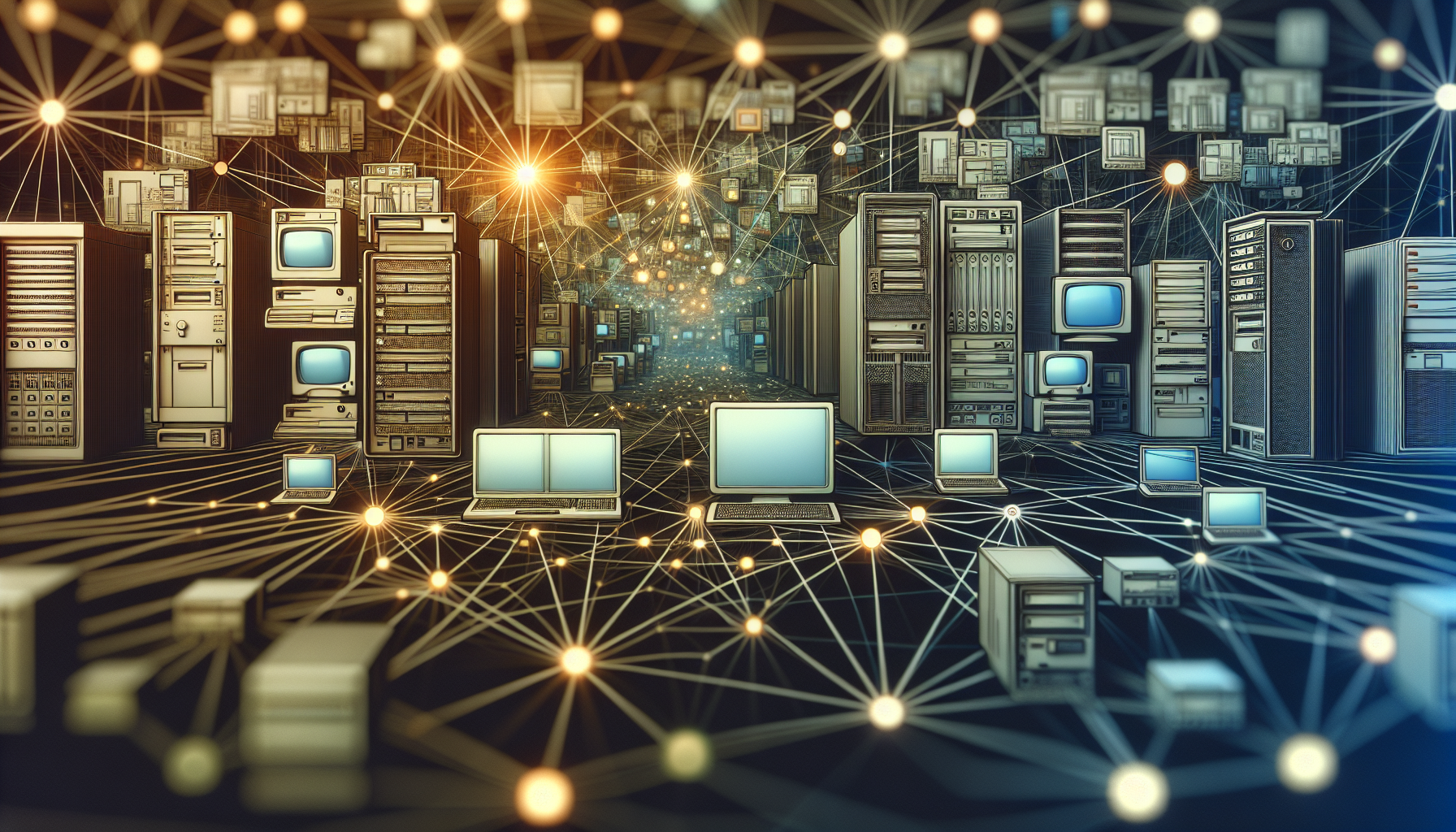
Associated computer systems refer to a cohesive arrangement of computing devices and software designed to work in unison to perform complex tasks and streamline business operations. These systems often encompass a variety of hardware components and software solutions, which, when integrated, help to optimise efficiency, improve communication, and support the overall strategic aims of an organisation.
In the context of IT procurement, understanding the intricacies of associated computer systems is vital. They are not standalone devices but a symphony of interconnected elements that create a robust and versatile IT infrastructure. For more information on the components that make up these systems, explore the computer systems hardware article.
The Role of Computer Systems in Streamlining Operations
Associated computer systems play a pivotal role in modernising and enhancing the efficiency of corporate operations. By automating routine tasks, facilitating real-time data exchange, and providing comprehensive analytics, these systems enable organisations to make informed decisions swiftly. This not only boosts productivity but also significantly reduces the margin for error, leading to smoother, more reliable processes.
The implementation of associated computer systems can lead to a substantial uplift in workplace productivity. For example, businesses that have embraced such systems report improved turnaround times and increased capacity for handling complex tasks. To understand how these systems function at their core, one may consider delving into the how do computer systems work article.
By leveraging the power of associated computer systems, corporations can effectively streamline their operations, resulting in a competitive edge in the fast-paced business environment of Australia. Whether it's through advanced computer systems or more traditional IT solutions, the goal remains the same: to drive efficiency and productivity to new heights.
Benefits of Implementing Associated Computer Systems
Enhancing Efficiency in the Workplace
The integration of associated computer systems within a corporate environment significantly enhances operational efficiency. These systems streamline processes by automating tasks that were previously manual, reducing the time and effort required to complete them. A well-implemented system can result in a smoother workflow, allowing employees to focus on tasks that require human intelligence and creativity.
For example, automated data entry reduces the likelihood of human error and frees up staff to perform more complex analyses. This can lead to faster decision-making and, ultimately, a more agile business environment. A study conducted on workplace efficiency showed a marked increase in productivity post-implementation of integrated computer systems. The following table provides a summary of the findings:
| Metric | Pre-Implementation | Post-Implementation |
|---|---|---|
| Data Entry Errors | 18% | 5% |
| Task Completion Time | 100% | 60% |
| Employee Productivity | Baseline | +25% |
For more insights into how computer systems can enhance workplace efficiency, visit our dedicated article.
Reducing Operational Costs
Adopting associated computer systems can lead to significant cost savings for corporations. These systems help in identifying redundant processes and eliminating waste, thus reducing operational expenses. By automating routine tasks, businesses can also cut down on labour costs and minimize the need for overtime work.
Additionally, integrated systems often require less maintenance compared to running multiple disparate systems, which can also contribute to a reduction in IT expenses. The following table illustrates the average cost savings reported by corporations after implementing associated systems:
| Expense Category | Average Cost Reduction |
|---|---|
| Labour | 15% |
| Maintenance | 20% |
| Utilities | 10% |
For a detailed analysis on reducing operational costs, explore our computer systems servicing guide.
Improving Data Management and Security
Data is a critical asset for any corporation, and associated computer systems provide robust solutions for managing and securing this valuable resource. These systems ensure that data is stored in a centralised and structured manner, facilitating easy access and analysis.
Furthermore, they incorporate advanced security measures to protect against data breaches and cyber threats. By implementing comprehensive access controls and encryption, businesses can safeguard their data from unauthorised access.
The importance of reliable data management and security cannot be overstated, and an effective computer system is instrumental in achieving this. The following table highlights improvements in data management and security metrics post-implementation:
| Security Metric | Improvement |
|---|---|
| Data Access Time | -30% |
| Security Breaches | -50% |
For more in-depth information on improving data management and security, visit our article on advanced computer systems.
In conclusion, the adoption of associated computer systems offers a multitude of benefits, from streamlining operations and reducing costs to enhancing data management and tightening security protocols. These improvements are essential for corporations looking to maintain a competitive edge in today's fast-paced business environment. For further exploration of computer systems in the workplace, consider our resources on computer systems technology and how do computer systems work.
Key Components of Associated Computer Systems
When considering the implementation or upgrade of associated computer systems within a corporation, it is imperative to focus on the key components that constitute the overall effectiveness and efficiency of the systems. These components include hardware considerations, software integration, and network infrastructure.
Hardware Considerations
The hardware is the backbone of any computer system, providing the necessary physical components to perform tasks. For associated computer systems, the hardware must be robust enough to handle the demands of the organization's operations. It includes servers, workstations, storage solutions, and networking devices.
| Component | Function |
|---|---|
| Servers | Handle the processing of applications and services |
| Workstations | Provide end-users with access to tools and applications |
| Storage Solutions | Store data securely and efficiently |
| Networking Devices | Connect all components within and outside the organization |
Careful selection of hardware can lead to enhanced performance and longevity of the computer systems. It is also crucial to consider future growth and the potential need for scalability. For further insights into hardware selection, one may explore articles on computer systems hardware and why do computer systems need primary storage.
Software Integration
Software integration is about ensuring that different applications and systems work together seamlessly. It includes the operating systems, enterprise applications, and specialized software that support the organization's specific workflows.
The integration of software systems should enable the sharing and management of data across the organization, thus improving operational efficiency. It is essential to conduct thorough assessments to determine the most compatible and efficient software solutions that align with the business objectives. Topics such as advanced computer systems and computer systems technology can provide further understanding of software integration.
Network Infrastructure
A robust network infrastructure is critical for the connectivity and communication between the various hardware and software components of associated computer systems. The infrastructure should be designed to support high-speed data transfer, reliability, and security.
Components of network infrastructure include routers, switches, firewalls, and wireless access points. It is also necessary to consider the bandwidth requirements and the implementation of network management tools for monitoring and maintaining network health.
| Network Component | Purpose |
|---|---|
| Routers | Direct traffic between different network segments |
| Switches | Connect multiple devices on the same network |
| Firewalls | Protect against external threats |
| Wireless Access Points | Provide wireless connectivity |
For corporations in Australia looking to optimize their network infrastructure, resources such as computer systems lab and universal computer systems can provide valuable information on designing and maintaining a secure and efficient network.
In conclusion, the successful deployment of associated computer systems hinges on careful consideration of hardware, software, and network infrastructure. These key components must work in harmony to streamline operations, reduce costs, and enhance data management and security within the organization. Additional guidance can be found by exploring the wealth of knowledge on computer systems servicing and how do computer systems work.
Planning and Deployment
For corporations looking to enhance their operational efficiency, planning and deployment of associated computer systems are critical phases. These steps ensure that the systems align with business goals and provide the necessary support for optimal performance.
Assessing Business Needs
Before deploying associated computer systems, it is essential to conduct a thorough assessment of the business's needs. This evaluation should consider the current IT infrastructure, workflows, and the specific challenges faced by the organisation. Identifying these requirements will guide the selection of appropriate hardware, software, and network solutions.
The table below outlines some common business needs and the corresponding features to look for in associated computer systems:
| Business Need | System Feature |
|---|---|
| Data storage | High-capacity servers |
| Fast processing | Powerful CPUs |
| Remote work | Cloud solutions |
| Data security | Robust firewalls and encryption |
Understanding these needs is pivotal for tailoring the computer systems technology to the specific demands of the business, thereby ensuring a seamless integration with existing processes.
Developing an Implementation Strategy
Once the needs are established, the next step is to develop a comprehensive implementation strategy. This blueprint should outline the scope, timeline, and budget for deploying the new systems. Key stages in the strategy include acquiring the necessary computer systems hardware, software installation, and integrating the systems into the existing network.
An effective implementation strategy should also consider potential disruptions to business operations and include contingency plans to mitigate these risks. Collaboration with experienced IT professionals, possibly from a computer systems lab or service provider, can be invaluable during this phase.
Training and Support for Staff
The success of new computer systems heavily relies on the users' ability to operate them effectively. Therefore, comprehensive training and ongoing support for staff are crucial components of the deployment process. Training programs should be tailored to different user levels, ensuring that everyone from IT specialists to end-users gains the necessary skills to utilise the new systems to their full potential.
Ongoing support, such as a helpdesk or on-site computer system repair near me, ensures that any issues are promptly addressed, thereby maintaining operational continuity. Investing in proper training and support not only maximises the benefits of the new systems but also promotes confidence and competence among staff members.
The planning and deployment of associated computer systems are complex processes that demand careful consideration and strategic planning. By thoroughly assessing business needs, developing a detailed implementation strategy, and providing robust training and support, corporations can ensure a successful transition to more efficient and effective operational practices.
Challenges and Solutions
Deploying associated computer systems comes with its own set of challenges. However, with strategic planning and problem-solving, these hurdles can be effectively managed and overcome.
Overcoming Integration Hurdles
Integrating new computer systems into existing business operations can be a complex process. Challenges often arise due to legacy systems, disparate data formats, and the need to maintain business continuity during the transition. Solutions include:
- Conducting a thorough analysis of current systems and workflows.
- Choosing integration platforms that offer compatibility with a wide range of systems.
- Gradually phasing in the new system to minimize disruption.
For more insights into successful integration strategies, explore advanced computer systems which discuss techniques for seamless transitions.
Addressing Compatibility Issues
Compatibility issues can affect both hardware and software, potentially leading to inefficiencies or system failures. To address these issues:
- Ensure all hardware components meet the specifications required for the new systems. Refer to computer systems hardware for details on compatibility requirements.
- Opt for software that adheres to industry standards, facilitating easy data exchange and system interaction.
- Implement middleware solutions that act as a bridge between incompatible systems.
Discover ways to ensure compatibility and prevent potential conflicts in our article on computer systems technology.
Ensuring Scalability and Flexibility
As businesses grow, their computer systems must be able to scale accordingly. Similarly, the systems should be flexible enough to adapt to changing business needs. To ensure scalability and flexibility:
- Select modular systems that can be expanded or reconfigured without extensive overhauls.
- Invest in cloud solutions that offer scalability as a built-in feature. Learn about the benefits of cloud computing in the context of universal computer systems.
- Prioritize systems that support open standards, making it easier to add or modify functionalities.
For more information on creating scalable IT environments, visit computer systems lab, which offers guidance on developing adaptable computer systems.
By proactively addressing these challenges, organizations can unlock the full potential of their associated computer systems, leading to enhanced business operations and future-proof IT infrastructure. For additional resources on maintaining and troubleshooting computer systems, check out computer systems servicing.
Trends in Associated Computer Systems
The landscape of associated computer systems is continually evolving. Current trends such as cloud computing, artificial intelligence, and sustainability are reshaping the way IT departments in corporations, especially within Australia, leverage technology to achieve their business objectives.
The Move Toward Cloud Computing
Cloud computing has revolutionised the management of associated computer systems by offering scalable resources over the internet. With this shift, businesses can access a range of services, from servers and storage to software and analytics, without the need for significant upfront investment in physical hardware.
| Year | Percentage of Australian Businesses Using Cloud Computing |
|---|---|
| 2018 | 42% |
| 2019 | 55% |
| 2020 | 67% |
| 2021 | 78% |
The trend shows an increasing reliance on cloud solutions, which aligns with the need for flexible and remote work arrangements. For a deeper understanding of how cloud computing integrates with computer systems technology, explore our dedicated article.
The Role of Artificial Intelligence
Artificial intelligence (AI) is playing a pivotal role in the operation and management of associated computer systems. AI algorithms can analyse vast amounts of data to optimise processes, predict maintenance needs, and enhance security measures. The incorporation of AI into advanced computer systems is not only improving operational efficiency but also providing businesses with competitive advantages through smart analytics and automated decision-making.
Sustainability in IT Solutions
Sustainability is a growing concern for IT purchase departments. Companies are seeking associated computer systems that are energy-efficient and have a reduced environmental impact. The focus is on minimising e-waste, reducing energy consumption, and ensuring that IT providers have sustainable practices in place.
| IT Solution | Energy Efficiency Increase (%) | E-Waste Reduction (%) |
|---|---|---|
| Sustainable Hardware | 25% | 40% |
| Energy-Efficient Data Centres | 50% | N/A |
| Eco-Friendly Manufacturing | N/A | 35% |
Businesses are increasingly prioritising vendors that align with their sustainability goals, as seen in our article on leader computer systems and their eco-friendly initiatives.
The trends in associated computer systems indicate a clear move towards more intelligent, flexible, and sustainable IT solutions. As these trends continue to develop, they are expected to significantly influence how IT purchase departments in corporations, particularly in Australia, plan and invest in their technology infrastructure. For further insights into the ongoing developments in the field of computer systems, refer to our computer systems lab for the latest research and innovations.


