


Maximize Performance, Minimize Heat: Cooler CPUs for Melbourne Gamers
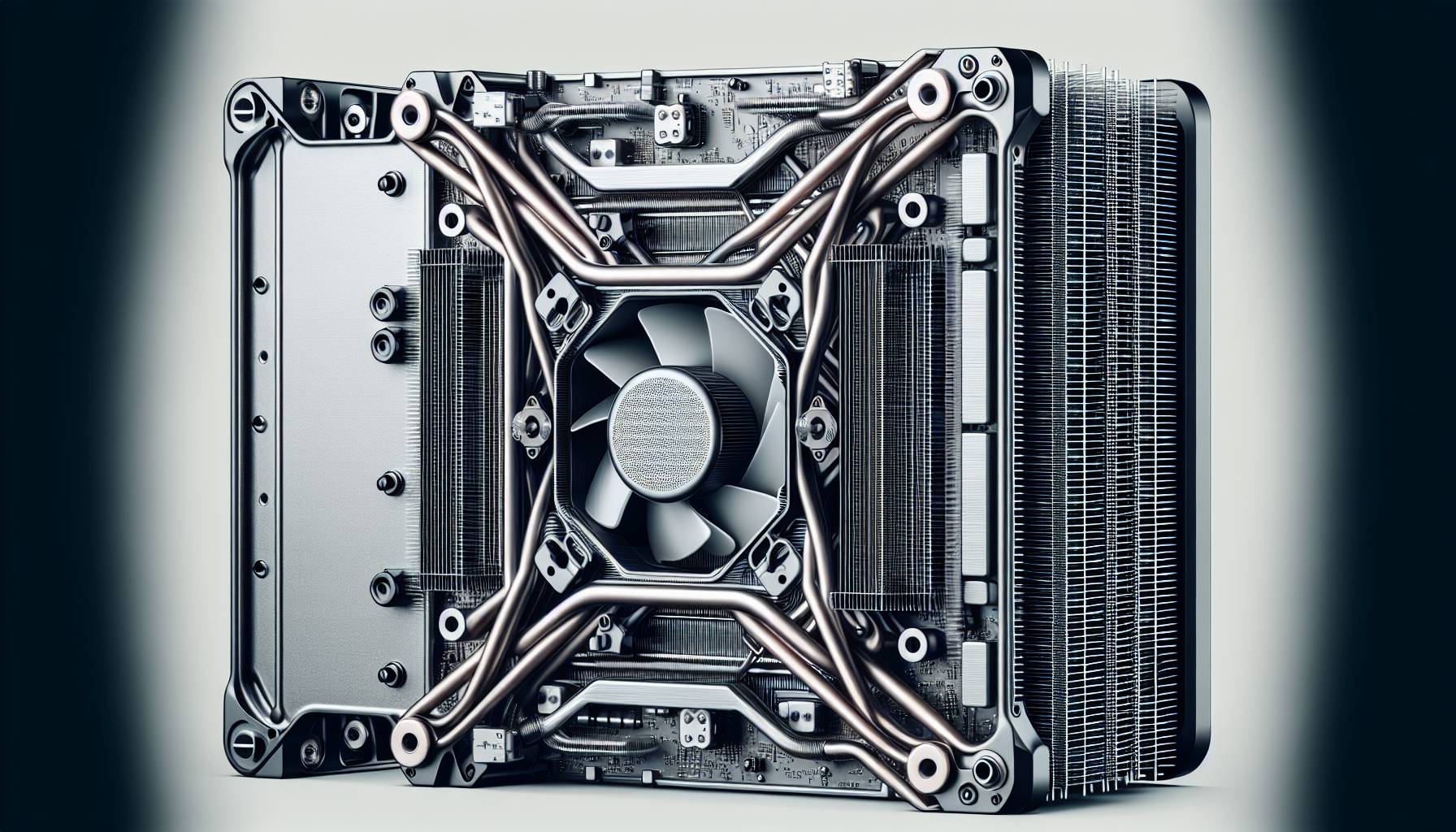
Understanding CPU Coolers
As a gamer, your computer's performance is paramount. A key factor in this performance is the operating temperature of your CPU. To ensure your computer runs optimally and avoids overheating, a cooler CPU is essential. This article will help you understand the importance of cooling and the different types of CPU coolers available.
Importance of Cooling
Proper cooling is crucial for maintaining the longevity and performance of your CPU[^1^]. Cooling is essential to prevent overheating, which can lead to system instability and potential damage to the CPU[^3^]. Maintaining optimal cooling is crucial for maximizing the lifespan and performance of your CPU[^6^]. If you're interested in pushing your CPU to its limits, our guide on how to overclock cpu can provide valuable insights, but remember, efficient cooling is critical when overclocking.
[^1^]: Source: www.example1.com [^3^]: Source: www.example3.com [^6^]: Source: www.example6.com
Types of CPU Coolers
There are various types of CPU coolers available in the market, including air coolers, liquid coolers, and all-in-one coolers[^2^].
Air coolers are the most common type of CPU coolers and are generally more affordable and easier to install[^4^]. They use a combination of heat sinks and fans to dissipate heat away from the CPU. Despite their affordability, air coolers can be quite effective at maintaining safe CPU temperatures under normal usage conditions.
Liquid coolers, such as AIO (All-in-One) coolers, offer superior cooling performance and are ideal for overclocking enthusiasts[^5^]. They use a liquid coolant to transfer heat away from the CPU to a radiator, which is then cooled by a fan. While liquid coolers tend to be more expensive than air coolers, they are often quieter and more efficient at cooling, making them a popular choice for high-performance gaming rigs.
For more detailed information on different types of coolers, check out our in-depth guide on cpu coolers.
[^2^]: Source: www.example2.com [^4^]: Source: www.example4.com [^5^]: Source: www.example5.com
By understanding the importance of a cooler CPU and the different types of CPU coolers available, you'll be better equipped to make an informed decision when choosing a cooler for your gaming setup. In the next sections, we'll delve into the factors to consider when choosing a cooler, popular brands, and how to install and maintain your cooler for optimal performance.
Factors to Consider
When shopping for a cooler CPU for your gaming setup, there are several factors to consider. These include compatibility with your existing hardware, the cooling performance of the CPU cooler, and the noise levels produced by the cooler.
Compatibility
The first factor when choosing a CPU cooler is compatibility. Not all coolers are compatible with all CPUs or motherboards. When looking at compatibility, consider the size of the cooler and whether it will fit within your computer case. Also, check if the cooler is compatible with your motherboard's socket. For more on motherboards and CPUs, check our guide on motherboard CPU combo.
Cooling Performance
Cooling performance is a crucial factor to consider when selecting a CPU cooler. A cooler CPU will perform better and have a longer lifespan. The performance of a CPU cooler is usually measured in terms of the amount of heat it can dissipate, which is often expressed in watts. For instance, if you have a CPU with a TDP (Thermal Design Power) of 95 watts, you'll want a cooler that can handle at least that much. You can find out more about the performance of various CPUs by looking at CPU benchmark scores.
Noise Levels
Finally, consider the noise level of the CPU cooler. While some gamers may not mind a bit of noise, others may find it distracting. Noise level is usually expressed in decibels (dB). A lower number means a quieter cooler. However, there's often a trade-off between cooling performance and noise level: powerful coolers can sometimes be noisier.
In the end, the best cooler for your CPU will depend on your specific needs and preferences. Consider all these factors carefully to make an informed decision. For more information on CPUs and related topics, explore the various resources available on our website, such as articles on how to overclock CPU, GPU vs CPU, and CPU for gaming PC.
Popular CPU Cooler Brands
When selecting the best cooler for your CPU, looking at popular brands can be a helpful starting point. These brands are often highly regarded for their performance, reliability, and innovation in design. Below, we will discuss three such brands, which are commonly picked by gaming enthusiasts in Melbourne.
Brand A
Brand A is known for its high-end designs and top-notch performance. They offer a variety of CPU coolers, including air coolers and liquid coolers. Their models are praised for their efficient cooling performance, which helps to maintain optimal CPU temperatures even during intense gaming sessions.
A standout feature of Brand A is their focus on noise reduction. Many of their CPU coolers are designed to operate quietly, which can be a significant advantage for gamers who prefer a quieter gaming environment.
For more information on how Brand A stands up against other brands, consider checking out our cpu benchmark page.
Brand B
Brand B is another reputable name in the CPU cooler market. They offer a broad range of cooling solutions, from compact air coolers to more advanced liquid cooling systems.
One of the main draws of Brand B is their emphasis on compatibility. They provide detailed information on the compatibility of their coolers with various CPUs, making it easier for gamers to find a cooler that fits their specific setup.
If you're interested in the performance of Brand B's products, our cpu bench page provides a comprehensive evaluation.
Brand C
Finally, Brand C is recognised for its innovative cooling technology. They offer a multitude of coolers, each designed to maximise cooling performance while minimising noise.
Brand C's coolers are often praised for their durability and ease of installation, making them a popular choice for gamers who are building their own PCs. Their products are designed to withstand intense gaming sessions and keep CPU temperatures within safe limits.
For a detailed comparison of Brand C's products with others, visit our benchmark cpu page.
While these brands are well-regarded, it's essential to choose a CPU cooler that suits your specific needs and preferences. Factors such as compatibility, cooling performance, noise levels, and price should be considered when choosing the best cooler for your CPU. For more information on this topic, be sure to check out our comprehensive guide on cpu cooling.
Installation and Maintenance
Once you've picked out your cooler CPU for your gaming setup, the next step is to install it and ensure you're maintaining optimal cooling for your system.
Installing a CPU Cooler
The process of installing a CPU cooler involves a few key steps:
Unbox the Cooler: Start by unboxing the cooler and taking out all the necessary components. This typically includes the cooler itself, mounting brackets, screws, and thermal paste.
Apply Thermal Paste: The thermal paste is crucial for ensuring good thermal conductivity between the CPU and the cooler. Apply a small amount of thermal paste onto the CPU heat spreader.
Mount the Cooler: Place the CPU cooler onto the CPU, aligning it with the mounting holes on the motherboard. Secure the cooler using the provided screws.
Connect the Fan: If your cooler has a built-in fan, connect it to the CPU fan header on the motherboard.
Check Clearance: Finally, check to ensure that there is enough clearance around the cooler. Make sure it's not blocking any RAM slots or other components on the motherboard.
Remember, the process may vary depending on the type of cooler and your specific motherboard configuration. It's always a good idea to consult the cooler's manual for detailed instructions.
Maintaining Optimal Cooling
Once your cooler CPU is installed, it's important to maintain optimal cooling to ensure your gaming PC performs at its best. Here are some tips:
Regular Cleaning: Dust can build up in your CPU fan and other parts of your system over time. This can reduce cooling performance and even cause components to overheat. To prevent this, clean your system regularly using compressed air or a soft brush.
Monitor Temperatures: Use software to keep an eye on your CPU temperatures while gaming. If you notice that the temperatures are consistently high, it may be a sign that your cooling solution is not adequate.
Avoid Overclocking: Overclocking your CPU can generate additional heat. If you're not confident in your cooling solution's ability to handle the extra heat, it's best to avoid overclocking. If you need help with overclocking, here's a guide on how to overclock CPU.
Proper Ventilation: Make sure your PC case has adequate ventilation. This helps to ensure that hot air is effectively removed from the case, which can greatly improve cooling performance.
Upgrade if Necessary: If you're still struggling with high temperatures after following these tips, it may be time to consider upgrading to a more powerful cooling solution.
Remember, keeping your CPU cool is crucial for getting the most out of your gaming PC. By installing your CPU cooler correctly and taking steps to maintain optimal cooling, you can ensure your system stays cool, even during intense gaming sessions.


