


Is an Ergonomic Chair for Home Office Worth the Hype?
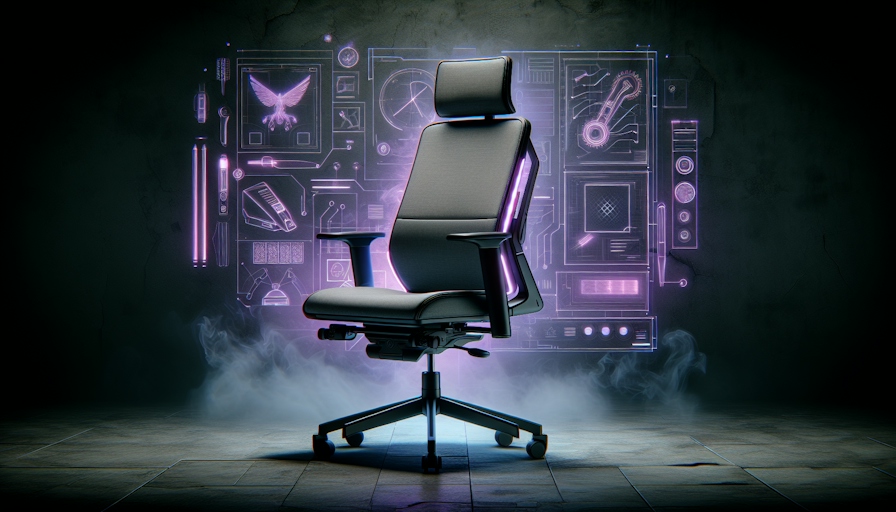
Chair Selection Criteria
Choosing the right chair is essential for those who spend long hours at a computer, particularly gamers and streamers seeking both comfort and support. Understanding important chair selection criteria can help determine whether an ergonomic chair for home office fits one’s needs.
Adjustability for Individual Needs
The main feature to look for in an ergonomic chair is adjustability. The more elements of the chair that can be modified, the better it can be customised to meet individual needs. Adjustability holds promise for reducing musculoskeletal symptoms among individuals who sit for extended periods (NCBI).
Key adjustable features to consider include:
| Feature | Purpose |
|---|---|
| Seat Height | Matches the individual's leg length |
| Seat Depth | Accommodates thigh length for comfort |
| Backrest Angle | Supports the lower back and posture |
| Armrest Height | Ensures proper arm positioning |
Selecting a chair that can accommodate the specific anatomical features and preferences of the user is crucial for optimal comfort and support.
Importance of Adjustable Height
Adjustable height is a critical aspect of an ergonomic chair. It allows users to align their chair height with the height of their desk, ensuring that their feet are flat on the floor and their knees are at a 90-degree angle. This positioning prevents abnormal strain on the neuromuscular system, thereby helping to mitigate discomfort and pain associated with prolonged sitting (Posture Direct).
Failing to adjust the chair height can lead to improper posture and subsequent musculoskeletal pain. The following table illustrates the recommended knee angles based on seat height adjustments:
| Seat Height (cm) | Knee Angle (Degrees) |
|---|---|
| 40 | 90 |
| 45 | 95 |
| 50 | 100 |
| 55 | 105 |
Choosing an ergonomic chair with adjustable height ensures that users find a comfortable position suitable for their body, which is especially beneficial for gamers seeking to maintain focus during long sessions. For more on the differences between chair types, explore our piece on gaming chair vs office chair.
Ergonomic Chair Features
When considering an ergonomic chair for home office, understanding specific features is essential for ensuring comfort and support, especially for those who spend long hours at a computer. Two notable features are adjustable seat depth and proper pelvis positioning.
Adjustable Seat Depth
An adjustable seat depth is a key element of ergonomic chair design. It allows users to modify the distance from the backrest to the front edge of the seat, ensuring optimal thigh support and preventing pressure behind the knees. This adjustment is particularly important based on the length of the femur (upper leg bone) as it accommodates various body types (Posture Direct).
| Feature | Importance |
|---|---|
| Adjustable Seat Depth | Maintains optimal thigh support, preventing discomfort and poor circulation |
Users should aim for a seat depth that lets them sit back against the backrest while leaving a few inches of space between the back of their knees and the seat edge. This promotes better positioning and enhances overall comfort during long gaming or work sessions.
Proper Pelvis Positioning
Proper pelvis positioning plays a significant role in achieving a neutral spinal alignment. The seat of the ergonomic chair should be designed to be flat or slightly tilted forward. This promotes a neutral pelvis position, crucial for avoiding excess tension in the lower back (Posture Direct).
| Feature | Importance |
|---|---|
| Proper Pelvis Positioning | Prevents excessive tension in the lower back, enhancing posture |
Optimal pelvic positioning aids in distributing weight evenly across the seating surface, which can prevent strain on the back and better support the user’s overall health. An ergonomic chair designed for back pain relief is vital for those who sit for extended periods, as it supports the body in a way that reduces strain on the back.
To maximise the advantages of an ergonomic chair, features like seat height and seat pan depth that correspond to the user's dimensions are recommended. Evaluating these features carefully is essential when comparing options, such as gaming chair vs office chair, since both categories have unique strengths that cater to different needs.
Back Support in Chairs
A well-designed ergonomic chair plays a crucial role in providing adequate back support, which is essential for maintaining comfort during long gaming or streaming sessions. Important elements of back support include the optimal backrest position and the chair's reclining capability.
Optimal Backrest Position
The backrest of an ergonomic chair should be adjustable and positioned at an angle of approximately 90-100 degrees. This alignment helps to prevent stress on the lower back, which can occur during prolonged periods of sitting. When seated, the most protruding part of the backrest should fit into the low back at about waist level to ensure optimal support.
| Backrest Position | Recommended Angle |
|---|---|
| Upright Working Position | 90-100 degrees |
| Relaxed Position | Slightly reclined, allowing casual posture |
Reclining Capability
The ability to recline the backrest is another important feature for back support. Ergonomic chairs should allow users to lean back at angles between 120-130 degrees. This reclining capability provides relief and allows for a brief stretch during gaming, streaming, or while browsing gaming chair vs office chair.
Reclining not only aids relaxation but also promotes a change in posture, reducing fatigue and discomfort in the lower back. Adjusting the backrest angle can be beneficial for both work tasks and more relaxed activities, such as conversations or reading off a screen.
Incorporating additional features like lumbar support, as seen in some gaming chair with lumbar support, ensures that individuals can customise their seating to align with their body shape. Over time, utilising an ergonomic chair can significantly reduce the likelihood of developing chronic back pain or discomfort, improving overall spinal health and reducing strain on the muscles and ligaments.
When choosing an ergonomic chair, attention to backrest position and reclining capability can greatly enhance comfort and support for gamers, streamers, and individuals who dedicate significant time to computer-based activities.
Musculoskeletal Health Benefits
Reduction of Musculoskeletal Pain
Numerous studies have highlighted the impact of ergonomic seating on musculoskeletal health. Five studies reviewed found a substantial reduction in self-reported musculoskeletal pain immediately following the use of ergonomic interventions. These studies varied in their demographic, including participants from garment factories, office environments, and university students.
By providing adequate support and comfort, an ergonomic chair for home office not only alleviates discomfort but also promotes better overall health among individuals who spend long hours seated, such as gamers and streamers.
| Study Environment | Participants | Pain Reduction Observed |
|---|---|---|
| Garment Factory | Factory Workers | Significant |
| Office Environment | Office Workers | Significant |
| University | Students | Significant |
Preventing Back Strain in Chairs
An ergonomic chair should be designed with features that facilitate proper posture, thereby preventing back strain. The backrest should be adjustable and positioned at approximately 90-100 degrees, crucial for maintaining the natural curvature of the spine while seated. Additionally, the ability to recline the chair to about 120-130 degrees allows users to lean back and stretch, promoting comfort during extended use (Posture Direct).
Features that aid in preventing abnormal strain on the neuromuscular system, such as adjustable seat height and seat pan depth tailored to the user's body measurements, are essential in reducing the risk of musculoskeletal pain and discomfort. Ergonomic chairs have been shown to significantly decrease back pain and facilitate better muscle activation, ultimately improving posture and reducing fatigue (UpDown Desk).
For more detailed guidance on finding the right seating solution, individuals can explore the gaming chair vs office chair comparison to determine which option aligns best with their ergonomic needs. It’s vital for anyone who sits for prolonged periods to invest in a chair that supports healthy posture to maintain productivity and well-being.


