


How much does an average gaming pc cost
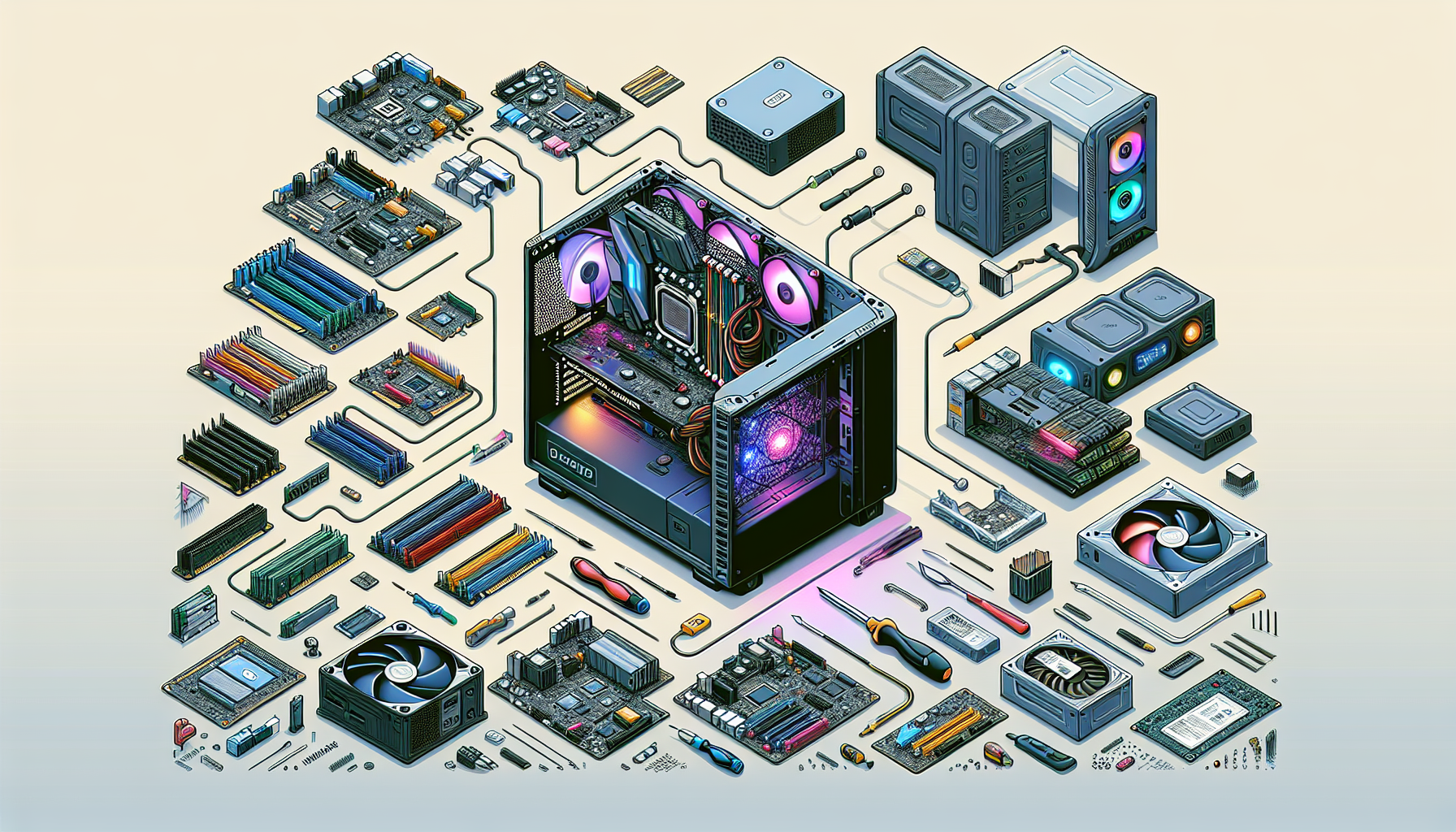
Understanding Gaming PC Costs
Factors Influencing Gaming PC Prices
When considering the average cost of a gaming PC, several factors come into play. These elements can significantly impact the overall price, making it essential to understand what influences the cost.
- Components: The quality and type of internal parts like the CPU, GPU, RAM, and storage drive affect pricing. High-performance components lead to higher costs.
- Brand and Model: Different brands and models come with varying price tags. Some brands are known for premium products, which can be more expensive.
- Custom-Build vs. Pre-Built: Custom-built PCs allow for personalisation but can be more costly due to individual component purchases and assembly fees. Pre-built options might be cheaper but come with limited customisation.
- Additional Features: Extras such as RGB lighting, advanced cooling systems, and aesthetic modifications can increase the cost.
- Market Trends: Availability and demand, especially during periods of high demand or component shortages, can cause price fluctuations.
| Component | Low-End Price (AUD) | High-End Price (AUD) |
|---|---|---|
| CPU | $150 | $800 |
| GPU | $200 | $1,500 |
| RAM | $80 | $400 |
| Storage (SSD) | $50 | $300 |
| Motherboard | $100 | $500 |
| Power Supply | $70 | $200 |
| Case | $50 | $300 |
| Cooling System | $30 | $150 |
Importance of Budgeting for a Gaming PC
Budgeting is crucial when planning to purchase a gaming PC. Establishing a budget helps in making informed decisions and ensures that individuals get the best value for their money.
- Prioritise Components: Identify which components are most important for your gaming needs. Allocate more of your budget to critical parts like the GPU and CPU.
- Consider Future Upgrades: Plan for possible upgrades. Investing in a decent motherboard and power supply now can save money in the long run.
- Balance Performance and Cost: Striking a balance between performance and cost is key. High-end components offer better performance but come at a higher price.
- Look for Deals: Keep an eye on sales and discounts. Many retailers offer promotions that can significantly reduce costs.
- Factor in Peripheral Costs: Don’t forget about additional expenses such as monitors, keyboards, mice, and other peripherals which can add up.
For more insights on budgeting for a gaming PC, check our article on gaming pc budget.
Understanding these aspects will help Australian PC gamers make informed decisions when exploring the average gaming pc cost. By carefully considering these factors and budgeting wisely, they can build or buy a gaming PC that meets their needs without breaking the bank. For those interested in building their own, visit our guide on build a gaming pc.
Entry-Level Gaming PCs
Typical Features and Performance
Entry-level gaming PCs are designed to provide a balance between cost and performance. These systems are suitable for gamers who are either new to PC gaming or those who play less demanding games. Typical features of entry-level gaming PCs include:
- Processor: An entry-level gaming PC usually features a mid-range CPU, which can handle most games at lower settings.
- Graphics Card: A budget-friendly GPU that can run popular titles at 1080p resolution with medium to high settings.
- Memory: Typically, entry-level gaming PCs come with 8GB to 16GB of RAM, which is sufficient for most gaming needs.
- Storage: A combination of SSD and HDD is common, with SSDs providing faster load times and HDDs offering larger storage capacity.
- Cooling System: Basic air cooling systems are standard, ensuring that the components stay within safe temperature ranges during gameplay.
Price Range for Entry-Level Gaming PCs
The cost of entry-level gaming PCs can vary based on the specific components and configurations chosen. In Australia, the price range for these systems generally falls between AUD 800 and AUD 1,500. Below is a table summarizing the typical cost breakdown for entry-level gaming PCs:
| Component | Price Range (AUD) |
|---|---|
| Processor | 150 - 300 |
| Graphics Card | 200 - 500 |
| Memory (RAM) | 80 - 150 |
| Storage (SSD/HDD) | 100 - 200 |
| Power Supply | 60 - 120 |
| Case | 50 - 100 |
| Motherboard | 100 - 200 |
| Total Cost | 800 - 1,500 |
For a more detailed breakdown of the costs and to explore options, you can visit our article on gaming pc price australia.
Entry-level gaming PCs provide a good starting point for gamers looking to enter the world of PC gaming without breaking the bank. They offer enough power to run popular games while providing room for future upgrades. For those interested in building their own system, our guide on how to build a gaming pc covers everything you need to know.
To ensure optimal performance and longevity, it's essential to keep your gaming PC well-maintained. Check out our tips on how to optimise pc for gaming to get the best out of your entry-level system.
Mid-Range Gaming PCs
Mid-range gaming PCs offer a balanced blend of performance and cost, making them a popular choice among gamers. These systems provide enough power to handle modern games at high settings while maintaining a reasonable budget.
Specifications and Capabilities
Mid-range gaming PCs typically come equipped with components that strike a balance between performance and affordability. Key specifications to look for in a mid-range gaming PC include:
- Processor (CPU): A quad-core or hexa-core CPU, such as Intel Core i5 or AMD Ryzen 5.
- Graphics Card (GPU): A mid-tier GPU, like NVIDIA GeForce GTX 1660 or AMD Radeon RX 5600 XT.
- RAM: 16GB of DDR4 RAM, which is sufficient for gaming and multitasking.
- Storage: A combination of a 256GB SSD for faster load times and a 1TB HDD for additional storage.
- Motherboard: A motherboard that supports the CPU and GPU, with future upgrade potential.
- Power Supply Unit (PSU): A 500W to 650W PSU, ensuring stable power delivery to all components.
These specifications allow mid-range gaming PCs to run most modern games at 1080p resolution with high settings, providing smooth gameplay and good visual quality. For more details on gaming PC components, visit our article on gaming pc components.
Average Cost of Mid-Range Gaming PCs
The cost of mid-range gaming PCs can vary based on the specific components and features included. Generally, gamers can expect to spend within a certain price range to acquire a capable mid-range system. Below is a table outlining the average cost of mid-range gaming PCs in Australia:
| Component | Average Cost (AUD) |
|---|---|
| CPU | $250 - $400 |
| GPU | $350 - $600 |
| RAM (16GB) | $100 - $200 |
| SSD (256GB) | $60 - $100 |
| HDD (1TB) | $50 - $80 |
| Motherboard | $150 - $250 |
| PSU | $80 - $150 |
| Case | $60 - $150 |
| Total | $1100 - $1930 |
This price range provides a good estimate for building or purchasing a mid-range gaming PC. It's important to consider that prices can fluctuate based on market conditions and availability. For further guidance on building a gaming PC, check out our article on build a gaming pc.
When planning to invest in a mid-range gaming PC, it's also worthwhile to explore options for both custom-built and pre-built systems. Each has its own advantages and considerations, which we cover in our article on custom-build vs. pre-built gaming pcs.
By investing in a mid-range gaming PC, gamers can enjoy a solid gaming experience without breaking the bank. For more information on optimising your gaming setup, visit our article on optimise pc for gaming.
High-End Gaming PCs
Cutting-Edge Components and Performance
A high-end gaming PC is designed to deliver exceptional performance, featuring the latest and most advanced components available. These systems are built for gamers who demand the highest levels of detail, speed, and efficiency in their games. Key components that define high-end gaming PCs include:
- Processors (CPUs): High-end gaming PCs typically feature the latest multi-core processors, which provide the necessary power for handling intense gaming and multitasking.
- Graphics Cards (GPUs): High-performance GPUs are essential for rendering detailed graphics and maintaining smooth frame rates, even in the most demanding games.
- RAM: High-end systems often come with 16GB or more of high-speed RAM to ensure seamless gameplay and quick loading times.
- Storage: These PCs usually include fast solid-state drives (SSDs) with large capacities, allowing for quick boot times and ample storage for large game files.
- Cooling Systems: Advanced cooling solutions, such as liquid cooling and high-performance fans, are crucial for maintaining optimal temperatures and preventing overheating during extended gaming sessions.
For more details on essential components for gaming PCs, visit our article on gaming pc components.
| Component | Typical Features |
|---|---|
| CPU | Latest multi-core processors |
| GPU | High-performance graphics cards |
| RAM | 16GB or more high-speed RAM |
| Storage | Fast SSDs with large capacities |
| Cooling Systems | Liquid cooling, high-performance fans |
Investment Required for High-End Gaming PCs
Investing in a high-end gaming PC requires a significant budget, but the performance and longevity of these systems can justify the cost. Here is a typical price range for high-end gaming PCs in Australia:
| Component | Estimated Cost (AUD) |
|---|---|
| CPU | $400 - $1,000 |
| GPU | $600 - $2,000 |
| RAM | $150 - $400 |
| Storage | $200 - $500 |
| Motherboard | $200 - $500 |
| Cooling Systems | $100 - $300 |
| Power Supply | $150 - $300 |
| Case | $100 - $300 |
The total cost for a high-end gaming PC can range from $2,000 to $5,000 or more, depending on the specific components and customisations chosen. For those interested in exploring the costs further, visit our article on cost of gaming pc.
When considering such an investment, it's important to weigh the benefits of building a custom PC versus purchasing a pre-built system. Each option has its own advantages and considerations, which we discuss in detail in our article on custom-build vs. pre-built gaming PCs.
High-end gaming PCs offer unparalleled performance and are ideal for gamers who want the best gaming experience possible. For more information on how to optimise your gaming setup, check out our guide on optimise pc for gaming.
Custom-Build vs. Pre-Built Gaming PCs
When deciding between a custom-built and a pre-built gaming PC, several factors come into play. Both options have their own sets of advantages and drawbacks, primarily revolving around cost, customization, and convenience.
Cost Comparison
Custom-built gaming PCs allow users to handpick each component, potentially saving money by avoiding unnecessary features. Pre-built gaming PCs, on the other hand, come ready to use but may include a markup for assembly and warranty services.
| Component | Custom-Build (AUD) | Pre-Built (AUD) |
|---|---|---|
| Processor | $300 - $800 | Included in total price |
| Graphics Card | $400 - $1,500 | Included in total price |
| RAM | $100 - $300 | Included in total price |
| Storage | $100 - $300 | Included in total price |
| Motherboard | $150 - $400 | Included in total price |
| Power Supply | $100 - $250 | Included in total price |
| Case | $50 - $200 | Included in total price |
| Total | $1,200 - $3,750 | $1,500 - $4,000 |
For those interested in custom-building, our guide on building a gaming PC provides step-by-step instructions. It's also beneficial to explore gaming PC components to understand what’s needed.
Considerations for Choosing Between Custom-Build and Pre-Built PCs
Custom-Build Gaming PCs:
- Customization: Allows total control over each component, making it possible to tailor the PC to specific needs and preferences.
- Cost Efficiency: Potential savings by only paying for the necessary parts and avoiding pre-installed software or bundled accessories.
- Performance Optimization: Opportunity to select high-quality parts that offer better performance and durability.
- Learning Experience: Building a PC offers valuable technical knowledge and a sense of accomplishment.
However, custom-building requires time, effort, and a certain level of expertise. For beginners, our article on building gaming PCs for beginners can be a helpful resource.
Pre-Built Gaming PCs:
- Convenience: Arrives fully assembled and ready to use, saving time and effort.
- Warranty and Support: Often includes a warranty and customer support, providing peace of mind for users.
- Reliability: Built and tested by professionals, ensuring compatibility and stability.
- Availability: Immediate availability without waiting for individual parts to ship.
For those keen on pre-built options, our guide on buying pre-built gaming PCs offers insights into what to look for.
Summary:
| Criteria | Custom-Build | Pre-Built |
|---|---|---|
| Customization | High | Limited |
| Cost | Potentially Lower | Higher |
| Convenience | Low | High |
| Warranty | Component-Based | Comprehensive |
| Learning Curve | Steep | None |
| Performance Optimization | High | Moderate |
Choosing between a custom-built and a pre-built gaming PC depends on individual preferences, technical skills, and budget. For more detailed insights, explore our articles on gaming PC cost and good gaming PC cost to make an informed decision.


