


Game On: Maximizing Performance with the Best CPU ASX in Melbourne
Understanding CPU Basics
Before diving into the world of gaming CPUs, it's essential to understand the basics of what a CPU is and the crucial role it plays in your gaming performance.
What is a CPU?
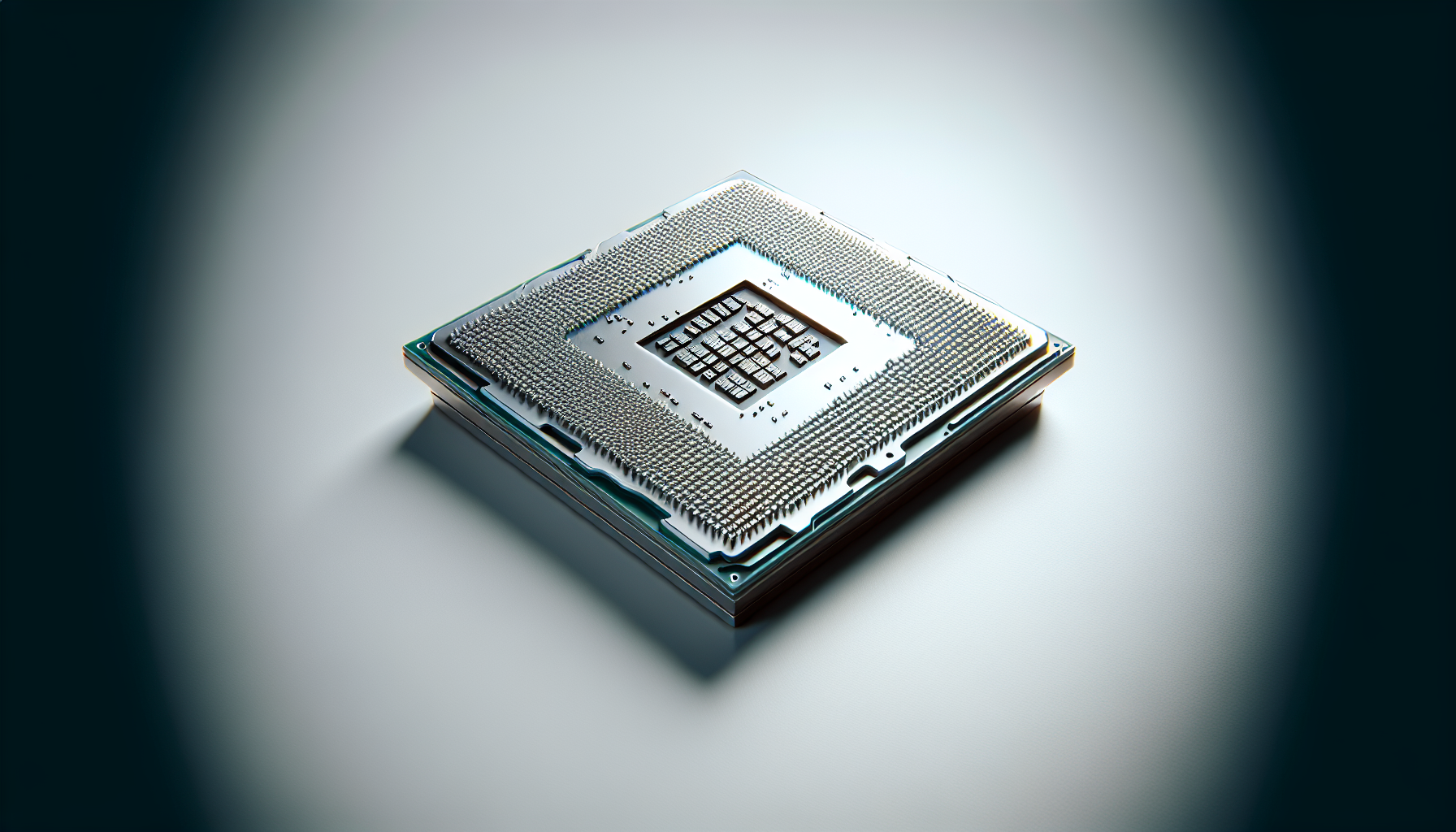
A CPU, or Central Processing Unit, is the primary component of a computer that performs most of the processing inside the computer[^1^]. It's essentially the brain of the computer, interpreting and executing instructions from the computer's hardware and software. When it comes to gaming, the CPU's performance can significantly impact the gaming experience, from frame rates to loading times[^3^]. For more on CPU basics, check out our article on cpu definition.
Importance of CPU in Gaming
The CPU plays a crucial role in gaming as it is responsible for executing the instructions and calculations necessary for running games smoothly[^2^]. This includes handling complex physics calculations, AI processing, and rendering graphics[^4^]. The clock speed and the number of cores are key factors in a CPU's gaming performance[^5^], with a faster clock speed and more cores generally leading to better performance.
However, the balance between these factors can vary depending on the specific demands of each game. Some games rely more heavily on single-threaded performance, which is where Intel CPUs typically shine[^6^], while others benefit from excellent multi-threaded performance, a strength of AMD CPUs[^7^].
When choosing a CPU for gaming, it's crucial to consider these factors to ensure you're getting the best performance possible for your specific gaming needs. Whether you're building a new gaming rig or upgrading your current setup, choosing the right cpu asx can make a significant difference in your gaming experience.
[^1^]: Source: TechTerms [^2^]: Source: PC Gamer [^3^]: Source: Tom's Hardware [^4^]: Source: Digital Trends [^5^]: Source: PCWorld [^6^]: Source: TechRadar [^7^]: Source: AnandTech
Factors to Consider When Choosing a CPU
When it comes to gaming, the Central Processing Unit (CPU) is a crucial component that can significantly impact the performance of your gaming setup. To choose the right CPU ASX, there are several factors to consider, including performance metrics and compatibility with your system's motherboard.
Performance Metrics
The performance of a CPU can be gauged by several key metrics:
Clock Speed: Measured in gigahertz (GHz), the clock speed of a CPU determines how many calculations it can perform in a second. Higher clock speeds typically translate to faster and smoother performance, which can be especially beneficial for gaming.
Cores and Threads: The number of cores and threads in a CPU affects its ability to multitask. A CPU with more cores and threads can handle more processes simultaneously, which can lead to improved gaming performance.
Cache Size: The cache is a small amount of memory located on the CPU itself and is used to store frequently used information. A larger cache can help improve the speed at which the CPU can access this information, leading to quicker response times in games.
Thermal Design Power (TDP): The TDP of a CPU measures how much heat it is expected to generate under maximum load. It's important to ensure your system has adequate cooling to handle the CPU's TDP.
Before purchasing a CPU, it's recommended to check CPU benchmark sites to compare the performance of different models.
Compatibility and Motherboard Requirements
In addition to performance, it's also critical to ensure that your chosen CPU is compatible with your system's motherboard. Each CPU and motherboard combination has a specific socket type that must match for the CPU to fit and function correctly.
For instance, Intel CPUs typically use LGA sockets, while AMD CPUs use AM sockets. Therefore, if you're planning to purchase an Intel CPU, you'll need a motherboard with an LGA socket, and vice versa for AMD CPUs.
Furthermore, your motherboard also needs to support the power draw and memory requirements of the CPU. Be sure to check these specifications before making a purchase.
Finally, if you're planning on overclocking your CPU to boost its performance, you'll need a motherboard that supports this feature. You can learn more about this process in our guide on how to overclock a CPU.
Selecting the right CPU for your gaming setup can significantly enhance your gaming experience. By considering these factors, you can ensure that you choose a CPU that not only meets your performance requirements but also works seamlessly with your system's motherboard.
Top CPU Brands for Gaming
When it comes to gaming, the CPU plays a pivotal role in ensuring an optimal and smooth gaming experience. There are two main brands that dominate the market when it comes to CPUs for gaming: Intel and AMD.
Intel CPUs
Intel is a household name in the world of computer processors. Known for their advanced technology and performance, Intel CPUs have been a favourite among gamers for many years. Intel's Core series, including i5, i7, and i9 processors, are particularly popular due to their high clock speeds and overclocking capabilities.
The Intel Core i9 CPUs are currently leading the pack with their exceptional performance in gaming. With their high number of cores and hyper-threading technology, these CPUs can handle demanding AAA titles and multitasking with ease.
However, it's worth noting that Intel CPUs tend to be more expensive compared to other brands. The cost factor is something to consider if you're on a budget. Detailed performance metrics of Intel CPUs can be found on our cpu benchmark page.
AMD CPUs
AMD has been Intel's main competitor in the CPU market. In recent years, AMD has gained a lot of traction with their Ryzen series of processors. These CPUs offer excellent performance and value for money, making them a great choice for gamers.
AMD Ryzen CPUs are known for their high core and thread counts, which can significantly enhance your gaming performance. The Ryzen 9 series, in particular, has been praised for its impressive performance in gaming and other demanding tasks.
AMD CPUs also come with an unlocked multiplier, offering great overclocking potential for gamers looking to squeeze out every bit of performance from their system. More about overclocking can be found on our how to overclock cpu page.
In terms of affordability, AMD often delivers better performance per dollar compared to Intel. This makes AMD CPUs a popular choice among budget-conscious gamers. You can compare the performance of AMD CPUs on our cpu bench page.
Both Intel and AMD offer a range of CPUs to cater to different budgets and gaming needs. When choosing a CPU for your gaming rig, it's important to consider the types of games you play, your budget, and whether you plan on overclocking your CPU. For more information on choosing the right CPU for your gaming PC, head over to our cpu for gaming pc page.
Remember, a great gaming experience is not just about the CPU. A balanced system with a powerful GPU, sufficient RAM, and fast storage is crucial for a smooth and immersive gaming experience.
Enhancing Gaming Experience with the Right CPU
Selecting the right CPU ASX for your gaming setup is not just about immediate performance. It's equally about understanding the capabilities of the CPU to provide long-term, sustained performance enhancements and keeping up with the demands of future gaming titles. This section will delve into overclocking capabilities and future-proofing your gaming rig.
Overclocking Capabilities
Overclocking a CPU means increasing the clock rate, which is the speed at which the CPU operates. This can potentially enhance the performance of your PC, allowing games to run smoother and faster. However, overclocking should be done with caution as it can increase the heat output of the CPU, necessitating a suitable CPU cooler to manage the extra heat.
Not all CPUs have the same overclocking capabilities. Some are locked by the manufacturer and can't be overclocked, while others have unlocked multipliers for easy overclocking. Before you choose a CPU, consider whether you want the option to overclock. If so, ensure you select a CPU and a motherboard that both support this feature. For more information on how to safely overclock a CPU, see our guide on how to overclock CPU.
Future-Proofing Your Gaming Rig
Future-proofing your gaming rig means selecting components that will not become obsolete in the near future. This is particularly important when choosing a CPU ASX because replacing a CPU often requires changing other components like the motherboard as well.
When future-proofing, consider the following factors:
Core count and clock speed: More cores allow for better multitasking and improved performance in games and applications that can utilize multiple cores. A higher clock speed, on the other hand, increases the number of calculations a CPU can perform in a second, improving game performance.
Compatibility: The CPU must be compatible with the motherboard, and it's a good idea to choose a motherboard that will also be compatible with future CPUs.
Upgradeability: Can you upgrade your CPU later? Some motherboards may only support certain generations of a CPU, limiting upgrade options.
Performance benchmarks: Look at the CPU benchmark scores for an idea of how a CPU performs in various tasks and games.
In conclusion, the right CPU can significantly enhance your gaming experience. However, the "best" CPU for you depends on your specific needs, budget, and future gaming aspirations. Therefore, consider both the current and future needs when choosing a CPU for your gaming setup.


