


Empowering Businesses: The Impact of IT Consulting Expertise
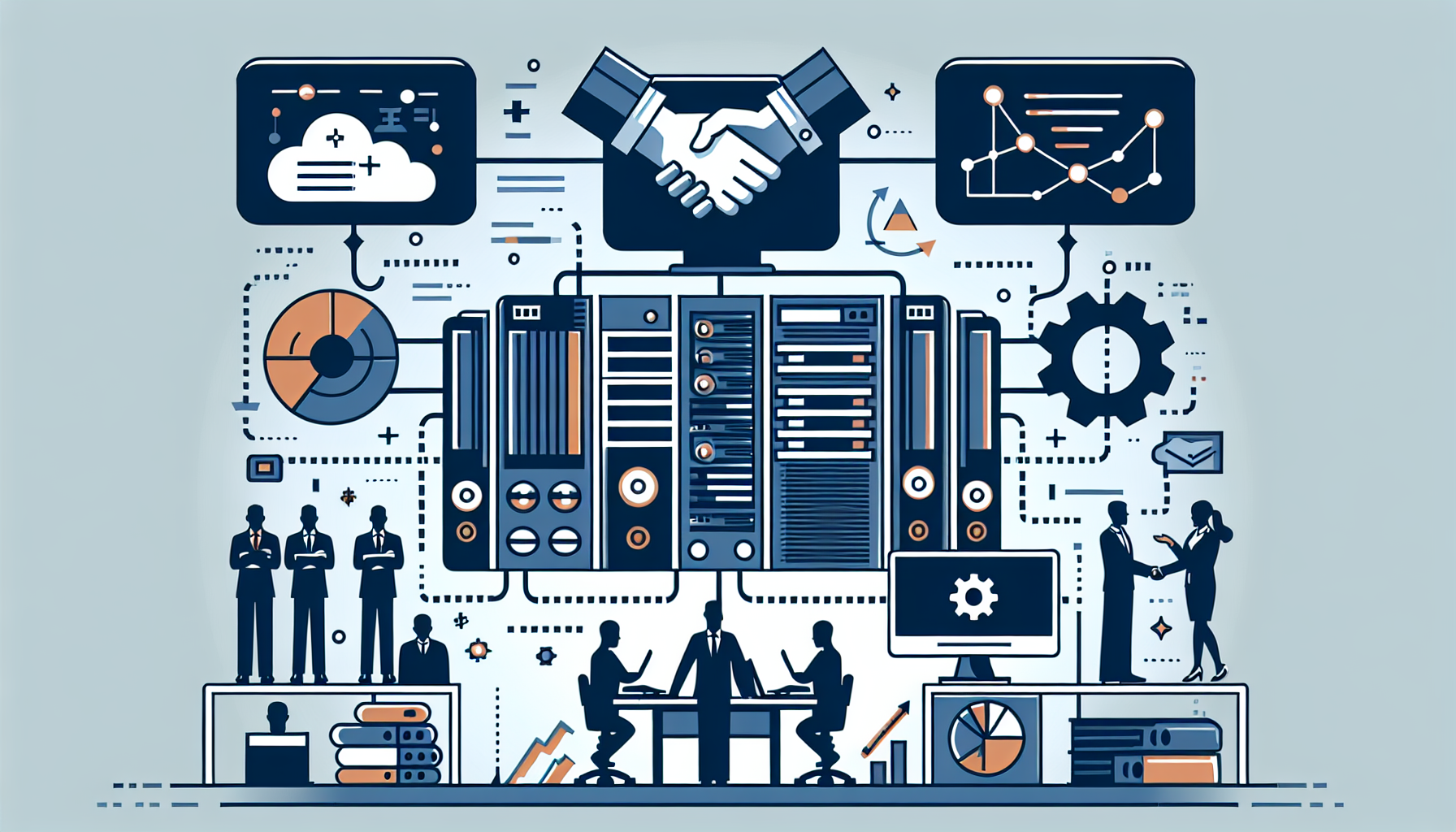
Understanding IT Consulting Expertise
IT consulting expertise plays a crucial role in helping businesses navigate the complexities of technology management. Understanding this expertise and the scope of services it encompasses is essential for businesses looking to enhance their operations.
Definition of IT Consulting
IT consulting refers to the provision of expert advice and services related to information technology. This includes assessing a business's technological needs, designing and implementing IT strategies, and managing technology projects. IT consultants offer insights into how technology can be leveraged to improve efficiency, reduce costs, and drive business growth. These professionals are equipped with the knowledge and experience to identify challenges and recommend tailored solutions that align with business objectives.
Scope of IT Consulting Services
The scope of IT consulting services is broad, covering various aspects of technology management. Below are some key areas typically encompassed by IT consulting:
| Service Area | Description |
|---|---|
| IT Strategy Development | Formulating a technology strategy that aligns with business goals. |
| Infrastructure Management | Assessing and optimising a company's IT infrastructure to enhance performance. |
| Cloud Computing Solutions | Implementing cloud-based services to improve scalability and flexibility. |
| Cybersecurity | Providing guidance on securing systems and data against threats. |
| Data Management | Supporting the effective management and analysis of business data. |
| Compliance and Risk Management | Ensuring adherence to industry standards and regulations to mitigate risks. |
By understanding these service areas, businesses can better identify the specific expertise they require and choose the right IT expert consultancy for their needs. Accessing proven managed IT services benefits can lead to significant improvements in both operational efficiency and overall cost-effectiveness.
Consultants help bridge the gap between technology and business strategy, enabling organisations to operate more effectively in an increasingly digital environment. For insights on how implementing cost-effective IT solutions can benefit small to medium businesses, consider exploring additional resources that highlight best practices for IT cost optimisation and reduction.
Benefits of IT Consulting for Businesses
In today's fast-paced digital landscape, leveraging IT consulting expertise has become essential for small to medium businesses. Engaging IT consultants provide various advantages that can enhance operational efficiency.
Cost Efficiency
One of the most significant benefits of IT consulting is cost efficiency. Businesses often find that outsourcing IT operations reduces expenses associated with hiring full-time staff, training, and infrastructure. By engaging IT consultants, companies can access a range of services without the overhead costs of maintaining an in-house IT department.
The table below illustrates potential cost savings achieved through IT consulting:
| Expense Type | In-House IT Department | IT Consulting Services |
|---|---|---|
| Salaries & Benefits | $100,000 | $40,000 |
| Training Costs | $10,000 | $2,000 |
| Infrastructure Maintenance | $15,000 | $8,000 |
| Software Licensing | $20,000 | $10,000 |
| Total Annual Cost | $145,000 | $60,000 |
Outsourcing leads to substantial financial benefits which can be redirected to other critical areas of the business, as detailed in our article on cost-effective it solutions.
Access to Specialized Expertise
IT consulting firms consist of specialists with diverse skills and knowledge that may not be available in-house. This expertise is invaluable for businesses seeking tailored solutions and cutting-edge technologies. By tapping into the know-how of consultants, businesses can stay ahead in the industry, effectively responding to changes and advancements.
The illustration below highlights the diverse areas of expertise available through IT consulting:
| Area of Expertise | In-House Skills | IT Consultant Skills |
|---|---|---|
| Cybersecurity | Basic Security Measures | Advanced Threat Protection |
| Cloud Solutions | Limited Knowledge | Cloud Migration & Management |
| Network Infrastructure | Basic Networking | Complex Network Design |
| Data Analytics | Minimal Expertise | Comprehensive Data Analysis |
Engaging IT consultants allows business owners to focus on core operations while benefiting from specialized skills. For further exploration, see our article on outsourced it expertise.
Focus on Core Business Operations
IT consulting enables business leaders to concentrate on their core operations rather than being bogged down by IT-related issues. By outsourcing IT functions, managers can dedicate more time to strategic planning, customer engagement, and other crucial activities that drive growth.
Consultants streamline IT operations and ensure that technology supports business objectives. This focus facilitates innovation and improves overall productivity, areas that can be explored further in our discussion on managed it services benefits.
In summary, IT consulting offers financial benefits, specialized expertise, and the ability to focus on core business functions, greatly enhancing the potential for success in small to medium enterprises.
Tailored Solutions for Small to Medium Businesses
Small to medium businesses face unique challenges, often requiring tailored solutions to navigate the complexities of technology. IT consulting expertise plays a vital role in creating these personalised strategies that drive business success.
Custom IT Planning and Strategy
Custom IT planning involves assessing a business's specific needs and objectives to formulate a comprehensive strategy. This service allows businesses to align their technology investments with their overall goals, ensuring they get the most value from their IT budget.
Key components of a custom IT strategy include:
| Component | Description |
|---|---|
| Assessment | Evaluate current IT infrastructure and identify areas for improvement. |
| Goals Alignment | Align IT objectives with business goals for coherent strategy development. |
| Roadmap Development | Create a detailed plan outlining the steps to implement the strategy. |
By consulting IT experts, businesses can develop a clear roadmap that integrates technology and operations, enhancing overall performance. For more on how to craft effective strategies, refer to managed IT services benefits.
Scalable Solutions for Growth
As businesses evolve, their IT needs also change. Scalable solutions provide flexibility, allowing companies to adjust their technology resources according to growth requirements. IT consultants design systems that can expand or contract based on current demands, helping to avoid unnecessary costs.
Key features of scalable IT solutions include:
| Feature | Benefit |
|---|---|
| Cloud Computing | On-demand resources that grow with business needs. |
| Modular Systems | Allows for the addition of components without major overhauls. |
| Pay-as-You-Go Services | Reduces costs by paying only for the services used. |
Emphasising scalability enables businesses to invest in cost-effective IT solutions that facilitate growth without financial strain. Discover more about how to achieve cost effectiveness in IT by visiting cost-effective IT solutions.
Security and Compliance Considerations
With increasing cyber threats and regulatory requirements, security and compliance are critical for small to medium businesses. IT consulting expertise ensures that these organisations implement robust security measures while adhering to relevant regulations.
Important aspects to consider include:
| Consideration | Importance |
|---|---|
| Data Protection | Safeguarding sensitive information from breaches. |
| Compliance Frameworks | Ensuring adherence to laws and regulations (e.g., GDPR). |
| Risk Assessment | Identifying potential vulnerabilities and mitigation strategies. |
By integrating security measures into the IT framework, businesses can protect their assets and maintain compliance efficiently. For strategies on how to achieve IT cost reduction while ensuring security, see IT cost reduction strategies.
Tailored IT consulting solutions empower small to medium businesses to optimise their technology usage. Leveraging this expertise aids in planning, scaling, and securing their operations, driving sustainable growth.
Leveraging IT Consulting Expertise
To maximise productivity and efficiency, businesses can significantly benefit from leveraging IT consulting expertise. This section focuses on implementing efficient technologies, optimising IT infrastructure, and exploring cloud solutions and virtualisation.
Implementation of Efficient Technologies
Consultants possess the skills to identify and implement efficient technologies tailored to the specific needs of a business. These experts conduct thorough assessments to understand organisational challenges and provide solutions that enhance operational workflows.
By integrating advanced systems and applications, businesses can automate various processes, leading to time and cost savings. Below is a table highlighting common technologies and their impacts:
| Technology Type | Efficiency Gains (%) | Potential Cost Savings (%) |
|---|---|---|
| Automation Software | 30% | 20% |
| Collaboration Tools | 25% | 15% |
| Business Intelligence | 35% | 25% |
Implementing these technologies not only streamlines processes but also allows employees to focus on core business operations. For more on cost-efficient solutions, refer to our article on cost-effective IT solutions.
Optimising IT Infrastructure
An optimised IT infrastructure is essential for any growing business. IT consultants ensure that the existing infrastructure is robust and scalable, aligning technology with business goals. They analyse the current systems and recommend improvements that may include upgrading hardware, refining network architecture, or enhancing data management practices.
Consultants use various tools and techniques to analyse infrastructure performance, ensuring businesses are equipped to handle increased demand. Regular assessments can lead to significant cost savings by identifying areas of underutilisation. The table below illustrates potential infrastructure improvements:
| Infrastructure Component | Improvement Type | Estimated Savings (%) |
|---|---|---|
| Network Upgrades | Speed and Reliability | 30% |
| Server Virtualisation | Reduced Energy Costs | 40% |
| Storage Solutions | Cost per GB Savings | 20% |
For strategies on reducing IT costs, view our article on IT cost reduction strategies.
Cloud Solutions and Virtualisation
Cloud solutions and virtualisation are vital for modern businesses seeking flexibility and scalability. IT consultants can provide guidance on migrating to the cloud, ensuring minimal disruption while taking advantage of the numerous benefits.
Cloud platforms enable businesses to access data and applications remotely, with the potential to reduce IT overhead costs significantly. Virtualisation further enhances the efficiency of IT environments by allowing multiple virtual machines to run on a single physical server, saving space and energy.
A table displaying cloud solution benefits and typical savings is provided below:
| Cloud Solution Type | Benefits | Expected Cost Savings (%) |
|---|---|---|
| Infrastructure as a Service (IaaS) | Pay-as-you-go | 30% |
| Software as a Service (SaaS) | Reduced Licensing Costs | 25% |
| Backup and Disaster Recovery | Lower Downtime | 20% |
For a comprehensive understanding of IT consulting expertise, review our article on IT expert consultancy. Implementing these strategies can empower businesses to not only save costs but also enhance operational effectiveness, allowing for sustainable growth and success.
Collaborating with IT Consultants
Collaboration between businesses and IT consultants plays a vital role in achieving optimal results. This partnership allows companies to leverage the full potential of IT consulting expertise. Key aspects of this collaboration include working towards common goals, maintaining open lines of communication, and measuring success through specific key performance indicators (KPIs).
Working Towards Common Goals
An effective collaboration begins with aligning objectives. Businesses need to clearly define their goals and share them with IT consultants. This ensures that both parties are on the same page and working together to achieve desired outcomes.
| Goal Type | Business Objective | Consultant Contribution |
|---|---|---|
| IT Efficiency | Reduce operational costs | Implement cost-effective IT solutions |
| Strategic Growth | Enhance scalability | Provide tailored consultations |
| Compliance | Meet regulatory standards | Ensure adherence to industry best practices |
IT consultants can help in identifying opportunities for improvement that align with business strategies. The synergy created through this joint effort can lead to successful project outcomes.
Communication and Feedback
Effective communication is essential for fostering a healthy working relationship. Regular updates and feedback loops ensure that all stakeholders are informed about progress and challenges.
Key communication strategies include:
- Weekly status meetings to discuss project progress
- Utilising collaborative tools for transparency
- Providing constructive feedback after project milestones
Maintaining this dialogue not only builds trust but also enables quick adjustments based on feedback. For more on streamlining communication processes, consider reviewing managed IT services benefits.
Measuring Success through KPIs
Establishing clear metrics for success helps in evaluating the impact of IT consulting efforts. Key performance indicators (KPIs) provide insights into performance and areas for improvement. These might include:
| KPI | Description | Target |
|---|---|---|
| Cost Savings | Reduction in overall IT expenditures | Decrease by 15% annually |
| Efficiency Gains | Time saved on IT operations | Improve by 20% within six months |
| User Satisfaction | Employee feedback on IT services | Achieve an 80% satisfaction rate |
By consistently reviewing KPIs, businesses can assess the effectiveness of outsourced IT expertise and adjust their strategies accordingly. For more strategies on reducing IT costs, explore our article on IT cost reduction strategies.
Through effective collaboration, businesses can fully realise the benefits of IT consulting expertise, ensuring improved cost efficiency and specialised support tailored to their unique needs.
Case Studies: IT Consulting Success Stories
Real-Life Examples of Business Transformation
IT consulting has led to significant transformations across various businesses. Here are some real-life examples showcasing the impact of expert IT consulting.
| Business Type | Challenge Faced | IT Consulting Solution | Outcome |
|---|---|---|---|
| Retail | Inefficient inventory management | Implemented an integrated IT system | Reduced inventory costs by 30% |
| Healthcare | Outdated patient management system | Upgraded to a cloud-based solution | Improved patient care efficiency by 40% |
| Manufacturing | Poor data analysis capabilities | Established data-driven decision-making tools | Increased operational efficiency by 25% |
These transformations illustrate how tailored IT consulting solutions can solve specific challenges in diverse industries.
Key Takeaways for Small to Medium Businesses
Small to medium businesses (SMBs) can gain substantial benefits from IT consulting expertise. Here are some key takeaways to consider:
- Improved Efficiency: By outsourcing IT operations, SMBs can focus on core business activities without being bogged down by excessive IT management.
- Cost Savings: Engaging IT consultants can lead to cost-effective IT solutions, allowing businesses to allocate resources more strategically.
- Specialised Knowledge: Access to outsourced IT expertise enables businesses to leverage cutting-edge technologies without hiring in-house specialists.
| Benefit | Description |
|---|---|
| Cost Efficiency | Outsourced IT can significantly lower operational costs. |
| Expertise Access | IT consulting brings specialised skills and knowledge to your business. |
| Scalability | IT solutions can be tailored to match the growth of your business. |
Future Trends in IT Consulting
As technology continues to evolve, so do the trends within IT consulting. Businesses should stay informed about emerging trends that could impact their operations:
- Increased Cloud Adoption: More businesses are shifting to cloud-based solutions for flexibility and cost savings.
- Focus on Cybersecurity: Given the rise in cyber threats, IT consultants will increasingly prioritise robust security measures.
- AI and Automation: The integration of AI and automation in IT consultancy practices is expected to enhance operational efficiencies.
For insights into IT cost reduction strategies and maintaining an effective IT infrastructure, exploring these areas will be crucial for small to medium businesses looking to optimise their IT operations.


